
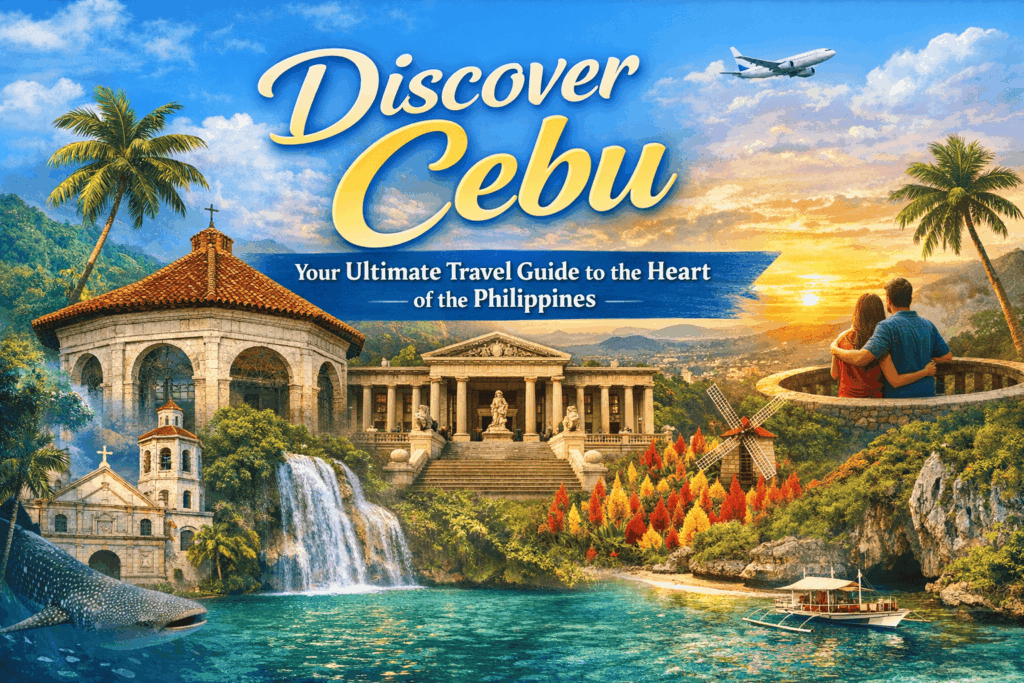
If you are staring at a map of the Philippines and wondering exactly what to do in Cebu, prepare yourself for an adventure of a lifetime. Known as the “Queen City of the South,” Cebu is not just a single destination; it is a massive, 196-kilometer-long island province that offers one of the most diverse travel experiences in Southeast Asia.
Whether you want to dive with millions of sardines, jump off 30-foot jungle waterfalls, eat the world’s best roasted pig (Lechon), or simply lay on a powdery white sandbar with a cold San Miguel beer, Cebu has it all.
However, because the island is so vast, planning a trip here can be incredibly overwhelming. You cannot swim with whale sharks in the south and relax on the beaches of the north on the same day. To make the most of your 2026 vacation, you need a master plan.
This comprehensive guide is the ultimate directory for the best places to visit in Cebu. We have broken the island down into three distinct travel zones: Cebu City & Mactan (Culture & Urban Vibe), South Cebu (Extreme Adventure), and North Cebu (Island Escapes).
Cebu is one of the rare destinations where you can:
- Walk centuries of history in the morning
- Snorkel with millions of sardines at lunch
- Chase waterfalls in the afternoon
- Watch a radiant island sunset
- Feast on world-famous lechon at night
- Then dive into city nightlife or peaceful seaside silence
Use this guide as your master blueprint, and follow the links to our in-depth neighborhood guides to build your perfect Cebu itinerary.
This guide is built on real traveler experience, regional expertise, extensive tourism research, and local cultural understanding. It is designed not just to inspire you, but to help you make better decisions, enjoy safer travel, and experience Cebu with respect and appreciation.
Part 1: Cebu City & Mactan (The Gateway & Heritage Hub)
For 99% of travelers, the journey begins at the Mactan-Cebu International Airport (MCIA). Before rushing off to the remote provinces, spend at least a day or two exploring the metropolitan area. If you are asking what to do in Cebu to understand its history and modern pulse, start right here.
The Historical Core: Downtown Cebu
Cebu is the oldest city in the Philippines, and its downtown area is a living museum of Spanish colonial history.
- Magellan’s Cross: Housed in a beautifully painted stone pavilion next to the City Hall, this cross was planted by Portuguese and Spanish explorers in 1521, marking the birth of Christianity in the Philippines.
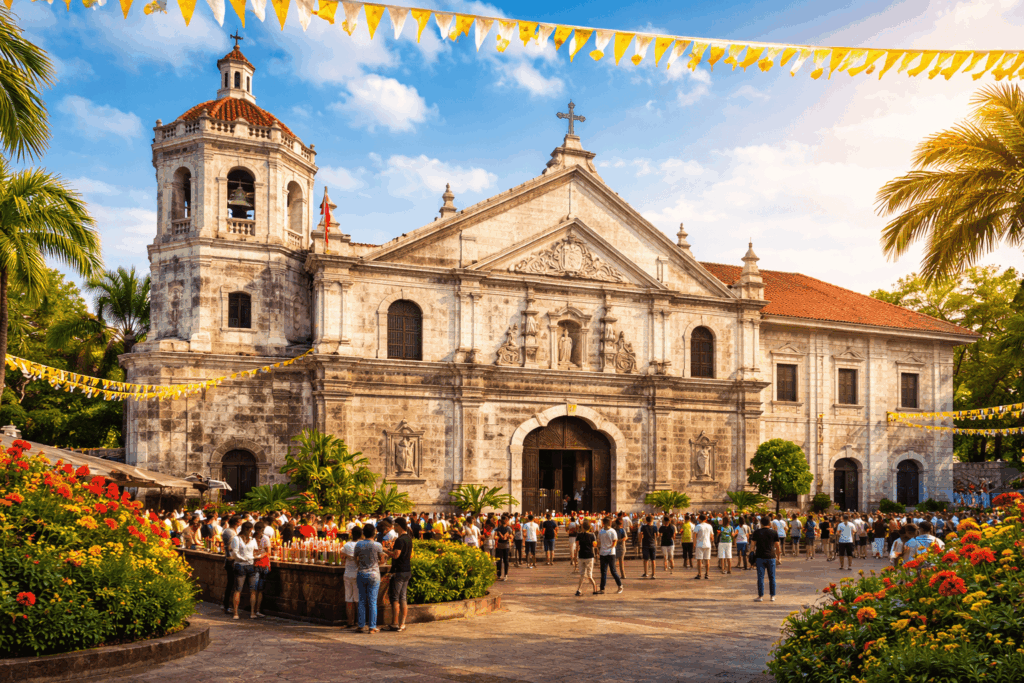
- Basilica Minore del Santo Niño: Located right next to the cross, this is the oldest Roman Catholic church in the country. Join the locals lighting candles and watching traditional Sinulog dances in the courtyard. The Basilica del Santo Niño is not just a church. It is the emotional and spiritual heartbeat of Cebu and one of the most important religious sites in the Philippines, a must-visit when exploring what to do in Cebu. Inside the basilica rests the Santo Niño de Cebu, the oldest Catholic relic in the country, a statue of the Child Jesus gifted by Ferdinand Magellan to Rajah Humabon and Queen Juana in 1521 during their baptism. Despite wars, colonization, fires, and centuries of change, the Santo Niño remains, deeply revered by millions.
- Fort San Pedro: Just a short walk away is a triangular military defense structure built by the Spanish under Miguel López de Legazpi in the 1500s. It guarded Cebu from pirate raids and foreign threats. Now a days, it is a peaceful historical land mark, walled garden perfect for escaping the city noise.
- Yap–Sandiego Ancestral House: Unlike heavily restored heritage homes, this house feels intimate and authentic, wooden beams creak softly, antique furniture still fills each room, religious icons watch over the home, family portraits hang with memory, and some believe its slight eeriness is part of its charm. Every piece here tells a story of Chinese migration, early Cebuano aristocracy, family devotion, resilience, and tradition, making it a must-see for those planning what to do in Cebu with a cultural and historical twist.
- Colon Street: The oldest national road in the Philippines named after Christopher Columbus (Cristóbal Colón in Spanish). Unlike polished tourist districts, Colon is raw and unapologetically real. It is gritty, chaotic, and authentic. Head here for incredible night markets and ultra-cheap thrift shopping. But Colon requires awareness. It is safe when visited smartly, and countless travelers walk it without issue, but it’s also a place to stay alert, something important to remember when exploring what to do in Cebu within the city center. (Read our full guide: What to Do in Colon Street Cebu)
The Uphill Viewpoints: Busay & Transcentral Highway
Escape the city heat by renting a scooter or taking a taxi up the winding mountain roads of Barangay Busay.
- Temple of Leah: Often called the “Taj Mahal of Cebu,” this massive Roman-style edifice was built by a wealthy local businessman for his late wife. It features sweeping, panoramic views of the entire city.
- Sirao Pictorial Garden: Known as “Little Amsterdam,” this mountain garden is famous for its vibrant rows of celosia flowers and massive hand-shaped viewing decks—an absolute must for Instagram.
- Tops Lookout: Recently renovated for 2026, this massive circular observation deck offers the best night views of the glowing city below, complete with high-end cafes and dining.
The Modern Pulse: Nightlife and Dining
- Cebu IT Park: When the sun goes down, this 24/7 BPO district wakes up. It is the safest, most vibrant neighborhood in the city, packed with cafes, bars, and the massive Sugbo Mercado open-air food market. (Dive deeper: What to Do in IT Park Cebu)
- CCLEX Bridge: Drive across the Cebu-Cordova Link Expressway. This architectural marvel is the longest bridge in the Philippines and beautifully lights up the Mactan Channel at night.
- Mango Avenue: Historic nightlife strip. Bold. Energetic. Colorful. A Cebu nightlife institution. If nightlife matters to you when planning what to do in Cebu at night, these areas guarantee unforgettable evenings.
Part 2: South Cebu (The Adventure & Nature Capital)
If your social media feed is full of people jumping off cliffs into Gatorade-blue water, they are in South Cebu. When thrill-seekers search for what to do in Cebu, they are looking for the south.
Moalboal: The Dive Hub
Located on the southwestern coast, Moalboal is the ultimate backpacker sanctuary. (Dive deeper: What to Do in Moalboal Cebu)
- The Sardine Run: Just 20 meters off the shore of Panagsama Beach, you can snorkel or free-dive with a massive, swirling bait ball of over a million sardines. It is a natural phenomenon present 365 days a year.
- Turtle Watching: Swim just a few meters past the sardines, and you are almost guaranteed to spot massive sea turtles grazing on the seagrass.
- Pescador Island: Take a quick boat ride to this marine park for world-class wall diving and stunning hard coral formations.
Badian: Kawasan Canyoneering
Just 30 minutes south of Moalboal lies the most famous adventure tour in the Philippines.
- The Activity: Canyoneering involves a thrilling 4-to-5 hour downstream trek through the narrow, spectacular Matutinao canyon. You will leap off 30-foot cliffs, slide down natural rock chutes, and swim through crystal-clear jungle rivers.
- The Finale: The trek ends at the iconic Kawasan Falls, where you can finally relax in the deep, icy-blue plunge pools.
Oslob & The Extreme South
- Whale Shark Encounter: Oslob is globally famous for its resident whale sharks. Arrive at 6:00 AM to snorkel beside these gentle giants. (Note: Strictly adhere to eco-rules—no touching and no chemical sunscreens).
- Tumalog Falls: A short motorcycle ride from the whale shark area, this waterfall features a massive, sheer cliff face where water creates a delicate, umbrella-like curtain of rain.
- Santander: At the very southernmost tip of the island, you will find a quiet escape. It boasts unique pebble beaches, uncrowded dive spots, and historic Spanish watchtowers. (Read our ultimate guide: What to do in Santander Cebu)
Osmeña Peak (Dalaguete)
Standing at 1,013 meters above sea level, this is the highest point in Cebu.
- The Hike: It is a surprisingly easy 30-minute trek to the summit. The landscape features hundreds of jagged, green limestone hills that resemble a sharper, colder version of Bohol’s Chocolate Hills.
Part 3: North Cebu (The Pristine Island Escapes)
If South Cebu is about adrenaline, North Cebu is about slowing down. The north is defined by its offshore islands, powdery white sand, and “old-world” provincial charm. (
Bantayan Island
Located off the northwestern tip of Cebu, Bantayan Island is often called the “Soul of Cebu.” Read Our Ultimate Guide On What to Do in Bantayan Island)
- The Beaches: It boasts the best white sand in the entire province. Spend your days lounging at the famous Kota Beach sandbar or the secluded Paradise Beach.
- The Vibe: It is incredibly laid-back. Rent a bicycle, eat cheap garlic-butter scallops at MJ Square, and explore the dense Obo-ob Mangrove forests.
- Skydiving: For the ultimate thrill, Bantayan is one of the only places in the Philippines where you can tandem skydive over pristine islands.
Malapascua Island

A tiny island off the northeastern tip, Malapascua is a globally recognized mecca for scuba divers. (Read our ultimate guide: What To Do in Malapascua Cebu)
- Thresher Sharks: Divers fly across the world to Monad Shoal—the only reliable place on earth to witness the elusive, long-tailed Thresher Sharks in their natural habitat every morning.
- Island Charm: Even if you do not dive, Malapascua is stunning. There are no cars on the island, the beaches (like Bounty Beach) are pristine, and the local community is incredibly welcoming.
Camotes Islands
Known as the “Lost Horizon of the South,” this group of islands is highly accessible via a fast craft ferry from Danao Port or Cebu City.
- Caving: Camotes is famous for its massive underground cave pools, such as Bukilat Cave and Timubo Cave, where you can swim in crystal-clear subterranean water.
- Lake Danao: Rent a kayak or a paddleboat and spend a quiet afternoon on this massive, guitar-shaped freshwater lake.
Part 4: The Ultimate Cebu Food Guide
Figuring out what to do in Cebu is only half the fun; figuring out what to eat is a journey in itself. Cebuano cuisine is savory, rich, and deeply comforting.
- Cebu Lechon: Anthony Bourdain once called it “the best pig ever.” Cebu Lechon is unique because the pig is stuffed with lemongrass, star anise, garlic, and spring onions before being slow-roasted over charcoal. You do not need a sauce; the meat is intensely flavorful on its own. (Top spots: House of Lechon, Rico’s Lechon, or CnT).
- Pusô (Hanging Rice): You will see these everywhere. It is rice boiled inside a woven pouch of palm leaves. It is the ultimate street food companion, designed to be eaten with your bare hands alongside barbecue.
- Tuslob Buwa: For the adventurous foodie, head to Pasil or an upscale spot in IT Park to try this. It literally translates to “dip in bubbles.” You cook pig brains, pork liver, and spices in a pan until it bubbles, then dip your pusô directly into the rich gravy.
- SuTuKil: This is a traditional Cebuano dining style combining three ways of cooking seafood: Sugba (grilled), Tuwa (stewed in clear broth), and Kilaw (eaten raw, marinated in vinegar and citrus).
- Cebu Dried Mangoes: You absolutely cannot leave the island without packing your suitcase full of Cebu’s most famous export. Known globally for their perfect, chewy balance of sweet and tart, they are the ultimate pasalubong (souvenir) for your friends and family back home. (Deep dive into our full guide: Where to buy dried mangoes in Cebu).
Part 5: Navigating Cebu (The Complete 2026 Transport Guide)
Because Cebu is a long, narrow, cigar-shaped island stretching nearly 200 kilometers from top to bottom, understanding the logistics of getting around is the secret to a stress-free trip. Knowing exactly what to do in Cebu is useless if you spend half your vacation stuck in traffic or lost at a bus terminal!
Here is your comprehensive breakdown of how to travel like a local, from the moment you land to your remote island excursions.
1. Arriving at Mactan-Cebu International Airport (MCIA)
Your adventure begins at MCIA, one of the most beautiful and efficient airports in Asia. It is located on Mactan Island (Read Our Guide on What To Do in Mactan Cebu), which is connected to mainland Cebu City by three bridges (including the stunning CCLEX).
- Terminal 1 (Domestic) & Terminal 2 (International): Both terminals are right next to each other.
- Getting to the City: * The White Taxi: The standard metered taxis. The flag-down rate is very affordable. Insist on using the meter; never agree to a “fixed price” from the airport.
- The Yellow Taxi: Airport-accredited taxis. They are slightly more expensive than white taxis but generally have newer cars and stricter accountability.
- MyBus: The cheapest option. For under ₱50, these massive, air-conditioned blue buses run directly from the airport to SM City Cebu (a major mall in the city center).
2. Getting Around Metro Cebu (The City Apps)
Traffic in Metro Cebu can be notoriously heavy, especially during rush hour (7:00 AM – 9:00 AM and 5:00 PM – 8:00 PM). Here is how to navigate the urban jungle:
- Grab App: The Southeast Asian equivalent of Uber. It is the safest, most comfortable way to get around the city. You lock in your fare before you ride, so there are no surprises. You can book standard 4-seater cars or larger 6-seater SUVs for groups.
- Angkas, JoyRide, & Maxim (Motorcycle Taxis): If you are traveling solo and want to completely bypass the city traffic, download these apps immediately. You book a licensed motorcycle driver who provides you with a helmet and weaves through the gridlock. It is incredibly cheap, fast, and thrilling.
- Modern Jeepneys (Beeps): The iconic, open-air, colorful Filipino Jeepneys are slowly being replaced by air-conditioned, minibus-style “Modern Jeepneys.” They have designated routes (displayed on digital boards on the front) and are a great, ultra-cheap way to get around if you are not in a hurry.
3. The Provincial Bus Terminals (Your Lifeline to the Beaches)
To reach the waterfalls of the south or the ports of the north, you will become very familiar with the yellow Ceres Liner buses. They are the undisputed kings of the Cebu highways. Always opt for the “Air-Conditioned” (Aircon) buses, they only cost a few pesos more than the non-aircon ones but offer vastly more comfort.

- Cebu South Bus Terminal (CSBT): Located along N. Bacalso Avenue. This is your gateway to Moalboal, Badian (Canyoneering), Oslob, and Santander.
- Pro-Tip: The terminal gets incredibly packed during holidays and weekends. Arrive at least an hour early. You do not buy tickets in advance; you sit on the bus, and a conductor will punch a paper ticket and collect your cash while you are on the road.
- Cebu North Bus Terminal (CNBT): Now conveniently located in the outdoor parking area of SM City Cebu. This is your gateway to the northern ports that lead to Bantayan Island and Malapascua.
4. Island Hopping & Ferries (RoRo and Fast Crafts)
Because you will likely be visiting Cebu’s offshore islands, you need to know how the ports work.
- Cebu City Piers (Pier 1, 3, and 4): Located downtown, these massive ports host fast crafts like OceanJet and SuperCat, as well as large overnight ferries (like 2GO and Lite Ferries). You use these piers to travel to neighboring island provinces like Bohol, Siquijor, or Leyte. (Read Our Guide on How to Get To Bohol from Cebu)
- Provincial Ports: To reach Cebu’s own sub-islands, you will take a bus to a provincial port at the edge of the island, then transfer to a boat:
- Hagnaya Port (North): Take the RoRo ferry here to reach Bantayan Island.
- Maya Port (North): Take a motorized outrigger boat (bangka) here to reach Malapascua Island.
- Danao Port (North-East): Take a RoRo ferry here to reach the Camotes Islands.
- Liloan/Bato Ports (South): Take a fast craft here to cross over to Dumaguete (Negros Oriental).
5. Renting Scooters and Private Cars
- Scooter Rentals (₱350 – ₱600/day): Once you arrive in provincial tourist hubs like Moalboal or Bantayan Island, renting a scooter is the best way to explore. It gives you absolute freedom to visit hidden beaches and waterfalls on your own schedule. Warning: Always wear a helmet, and be extremely careful on the mountain highways. Only rent if you have prior riding experience.
- Private Van with Driver (₱3,500 – ₱5,500/day): If you are traveling with a group of 4 or more, hiring a private van for the day is highly recommended. It is slightly more expensive, but it allows you to hit the Oslob Whale Sharks, Tumalog Falls, and Kawasan Canyoneering all in one comfortable, air-conditioned day without waiting in bus terminal lines.
Frequently Asked Questions (FAQ)
How many days do I need to explore Cebu?
To see the “Best of Cebu” comfortably without burning out, you need at least 5 to 7 days. A perfect 7-day split is 1 day in Cebu City, 3 days in South Cebu (Adventure), and 3 days in North Cebu (Relaxation).
Which is better: North Cebu or South Cebu?
It depends entirely on your travel style! If you want adrenaline, canyoneering, and scuba diving, head South. If you want powdery white sand beaches, island hopping, and a quiet book by the ocean, head North.
When is the best time to visit Cebu?
The dry season, from late January to May, is the absolute best time to visit. The waters are calm for ferry crossings and diving, and the skies are clear. Avoid the heavy monsoon season from July to October if you plan on doing island hopping.
Is it safe to travel around Cebu?
Yes, Cebu is considered one of the safest provinces in the Philippines for tourists. Locals are incredibly hospitable, and most speak excellent English. Just practice standard travel common sense, such as securing your valuables in crowded night markets.
Final Thoughts: Cebu Isn’t Just a Place. It’s a Travel Emotion.
If you arrived wondering what to do in Cebu, you now understand:
Cebu is not just about tourist attractions. Cebu is not just a destination; it is a feeling. It is the adrenaline of jumping off a waterfall, the warmth of the sun on a secluded sandbar, and the incredible hospitality of the Cebuano people.
Cebu is about emotion.
It’s about standing silently underwater while sardines swirl like living galaxies.
It’s about jumping into electric-blue canyon water laughing like a child again.
It’s about tasting lechon that ruins every roast pig after it.
It’s about watching whale sharks glide past and realizing how small we are.
It’s about quiet sunrises on mountaintops.
Soft sunsets on island shores.
Faith. Culture. Warmth. Humanity.
Cebu doesn’t just entertain you.
Cebu changes you.
So if anyone asks you again what to do in Cebu…
You won’t simply tell them where to go.
You’ll tell them:
“Go to Cebu to feel something unforgettable.”
Now that you know exactly what to do in Cebu, it is time to build your itinerary. Bookmark this Master Guide, click through to our specific neighborhood articles, and get ready to experience the unmatched beauty of the Queen City of the South.


