
The Gold Standard of Tropical Preservation
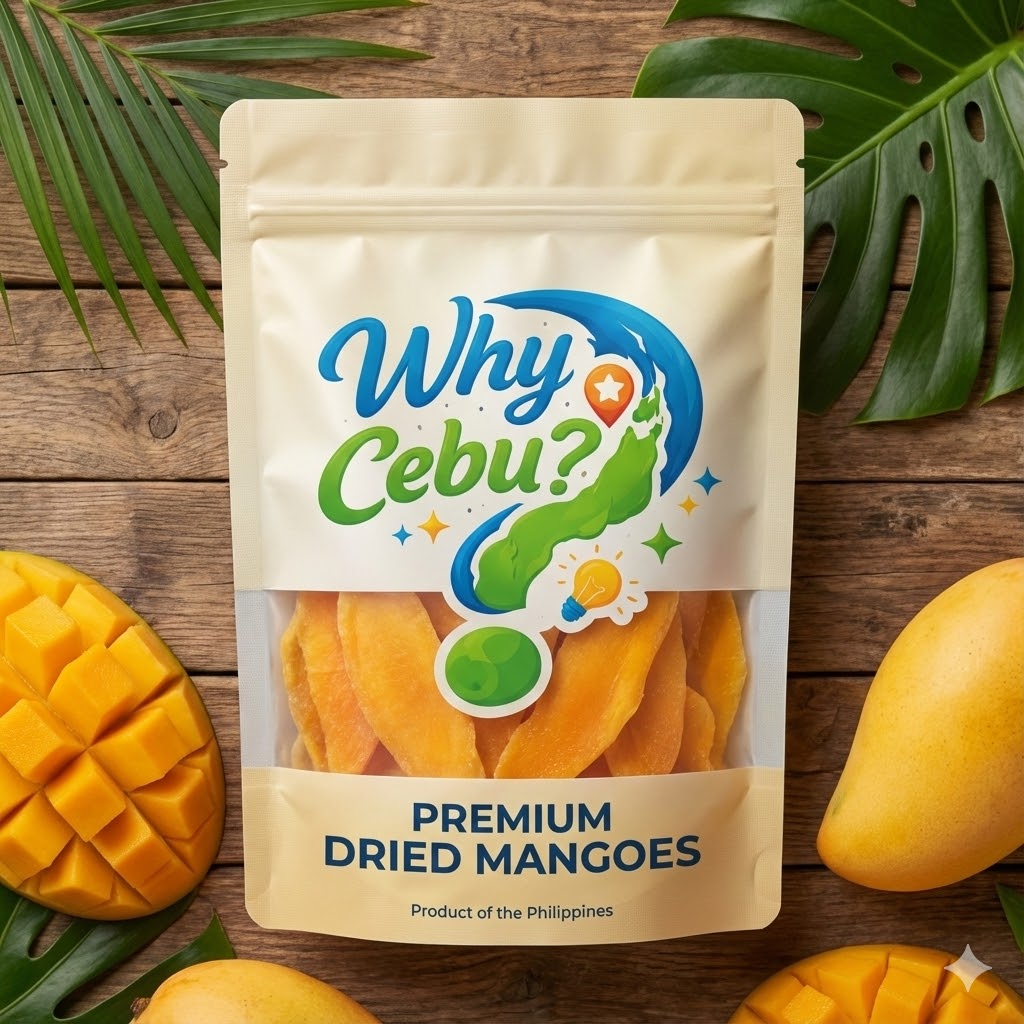
In the world of tropical confectionery, few items command as much global respect as dried mango from Cebu. The island province is widely recognized as the Philippines’ primary center for fruit dehydration, a reputation built on turning the highly perishable Carabao mango into a shelf-stable export enjoyed worldwide. For travelers researching where to buy dried mangoes in Cebu, this reputation matters. The locally celebrated “Philippine Mango” stands apart from international varieties thanks to its tangy sweetness, velvety texture, and minimal fibrous residue, qualities that consistently set Cebu’s dried mangoes apart on the global market.
However, for travelers, logistics managers, and professional procurers, simply knowing the product is not enough. The market is saturated with varying grades of quality, from supermarket staples to artisanal batches. Understanding exactly where to buy dried mangoes in Cebu is essential for optimizing price, ensuring peak freshness, and accessing the widest variety of product innovations. This guide serves as the definitive resource for navigating Cebu’s mango landscape, moving beyond basic tourism advice into the realm of expert procurement.
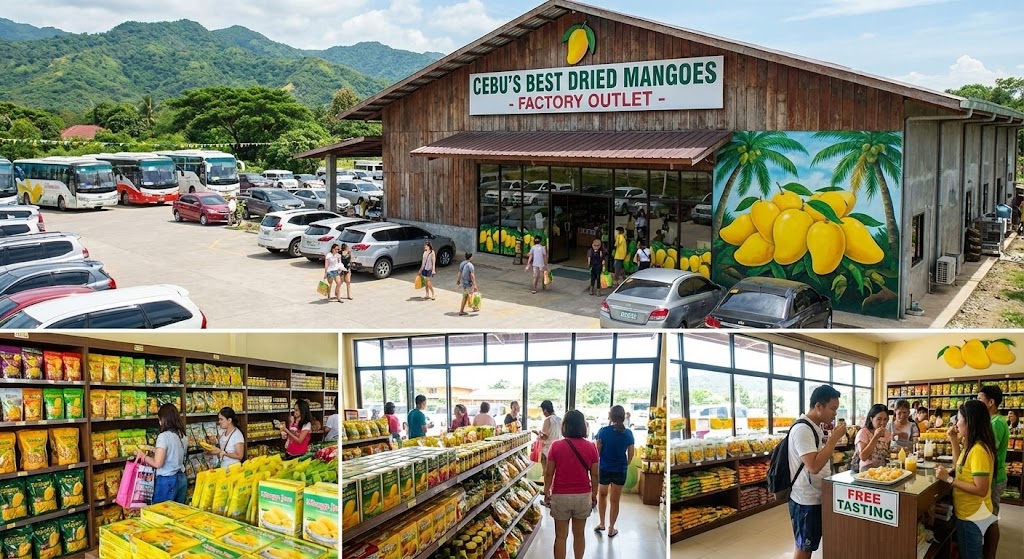
1. Direct Factory Outlets: The Pinnacle of Freshness and Value
For travelers who want both quality and value and are figuring out where to buy dried mangoes in Cebu, factory outlets are one of the smartest choices. These aren’t just regular retail shops — they’re the final stop of the production line. By buying directly from factory outlets, you cut out the middlemen, which usually means better prices and much fresher dried mangoes that haven’t been sitting in third-party warehouses.
7D Food International: The Industry Benchmark
Established in the 1970s, 7D Food International is widely considered the “gold standard” of the dried mango industry. Their reputation is built on their proprietary “soft-dry” method, a processing technique that ensures the fruit remains moist and chewy, avoiding the sugary crystallization often found in lower-tier, mass-produced alternatives.
- Location Strategy: The factory is located on Sacris Road, A.S. Fortuna Street, Bakilid, Mandaue City. It is situated away from the main tourist strip, requiring intentional travel, but the payoff is substantial.
- The Pricing Advantage: Purchasing here allows access to export-grade inventory at prices significantly lower than retail centers. For bulk buyers, the savings are quantifiable, with bulk discounts reaching up to 20% off standard rates.
- transparency and Experience: 7D offers a unique factory tour (which requires a reservation) that allows visitors to witness the sorting, packaging, and x-raying stages of production. This is a critical EEAT signal—transparency builds trust. Guests are required to don white gowns, head caps, and foot mats before entering, emphasizing the brand’s commitment to hygiene and quality control.
Profood International Corporation: The Industrial Titan
While 7D represents specialized, focused quality, Profood International Corporation represents the zenith of industrial scale. Operating 15 factories across the Philippines, they are the sheer volume leaders of the industry. They manufacture several prominent brands that dominate supermarket shelves, including “Cebu Brand,” “Philippine Brand,” and “Golden Mangoes”.
- The Venue: If you’re deciding where to buy dried mangoes in Cebu and prefer a more comfortable shopping experience, the Profood Gallery Giftshoppe on V. Albano in Mandaue City is a great stop. Unlike open-air markets, this place is air-conditioned, easy to browse, and accepts credit cards, which is why it’s popular with international tourists and corporate buyers.
- Educational Component: The facility houses a dedicated Mango Museum, offering a historical deep-dive into the local mango industry. This adds a layer of cultural appreciation to the transaction, perfect for those who value the heritage behind the product.
Guadalupe Dried Mangoes (Camiluz Enterprises): The Artisanal Choice
On the other end of the spectrum lies Guadalupe Dried Mangoes. Favored by local residents for the cultural practice of pasalubong (gift-giving), this brand offers an artisanal value proposition that distinctively separates it from the industrial giants.
- Try Before You Buy: If you’re still deciding where to buy dried mangoes in Cebu, this spot is a great option. Located at 787 Dr. Pablo U. Abella St, Cebu City, the staff are known for being friendly and accommodating. One of the best parts is that they’re happy to offer free samples, so you can taste the dried mangoes first and make sure the flavor is right before buying.
- Why It’s Worth It: Prices here may be a little higher than mass-market brands, but most travelers and locals agree it’s worth it. The small-batch quality, consistency, and attention to flavor easily justify the cost, especially if you’re looking for something better than the usual supermarket packs.
2. Taboan Public Market: The Hub for High-Volume Trading
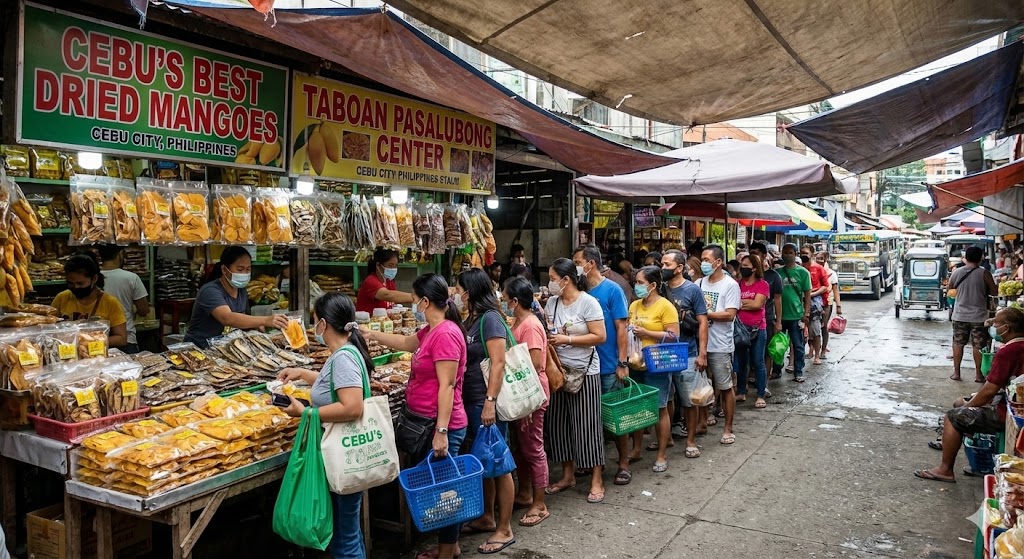
If you’re chasing the cheapest prices and wondering where to buy dried mangoes in Cebu, head straight to Taboan Public Market in Cebu City. This isn’t a shiny souvenir shop or a quiet mall stop, it’s loud, busy, and full of energy. You’ll find rows of small stalls stacked with dried mangoes, vendors calling out prices, and plenty of room to bargain. Prices are flexible, especially if you’re buying more than one pack, and the whole place feels more like a local trading hub than a tourist attraction.
The Economics of Taboan
Taboan is the best place to buy mangoes by the kilogram or in large multi-pack bundles. The pricing strategy here is aggressive. Prices are typically the lowest in the province, often ranging from 30% to 50% below supermarket rates, provided you possess skillful bargaining techniques.
- Insider Tip: To signal your intent for bulk pricing and separate yourself from the average tourist, use the local phrase “Pwede pa-discount?”. This signals to the vendor that you are ready to negotiate and likely looking for volume.
Essential Precautions for the Uninitiated
Visiting Taboan requires preparation. It is also a major seafood market, and the pervasive scent of dried fish (buwad) is intense.
- Odor Management: The smell will cling to absorbent fabrics. Professional advice dictates wearing washable clothing and planning a shower immediately afterward.
- Packaging Mandates: Savvy buyers must request vacuum sealing for their mangoes. This is not merely for freshness; it is a logistical necessity to prevent moisture ingress and, more importantly, to comply with strict airline odor policies regarding carry-on and checked luggage.
3. Modern Retail and Supermarket Distribution
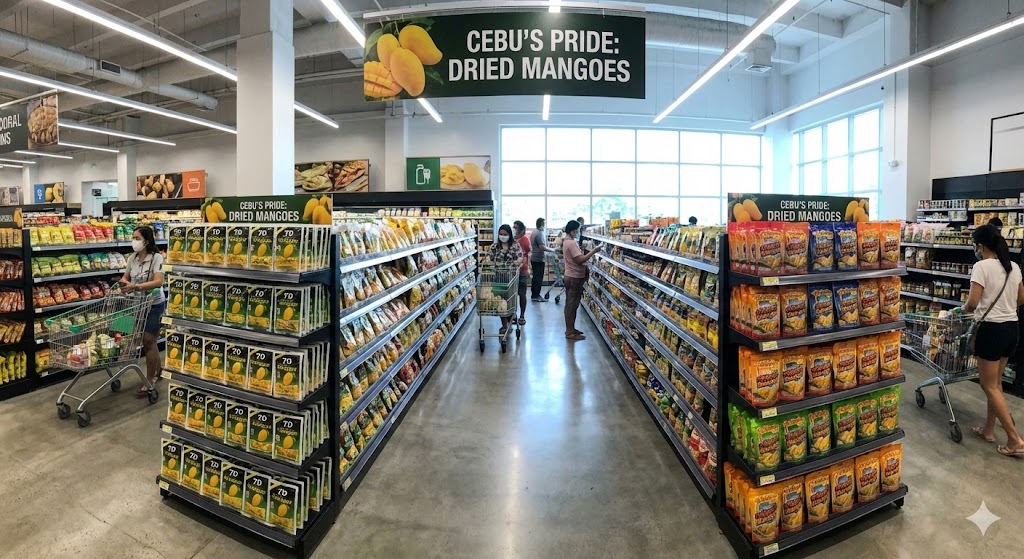
For travelers with limited time or those who prefer a standardized shopping environment, Cebu’s network of modern supermarkets offers a balance of convenience, standardized quality, and comfort.
Strategic Supermarket Locations
- SM Supermarkets: Locations such as SM City Cebu, SM Seaside, and SM J Mall feature dedicated “Filipiniana” or “Pasalubong” sections. These sections manage comprehensive inventories of major brands like 7D and Profood, ensuring stock reliability.
- Metro Supermarkets: The Ayala Center Cebu and Central Bloc (IT Park) locations are highly favored for their central location and upscale atmosphere, making them safe bets for quick, high-quality purchases.
- Robinsons Supermarkets: Branches in Fuente Osmeña and Robinsons Galleria offer strategic convenience for those staying in mid-town hotels or near the seaport area.
- Membership Clubs: For residents or those needing massive family packs at wholesale rates, Landers Superstore and S&R are highly effective options.
4. Specialty Gift Retailers: Prioritizing Presentation
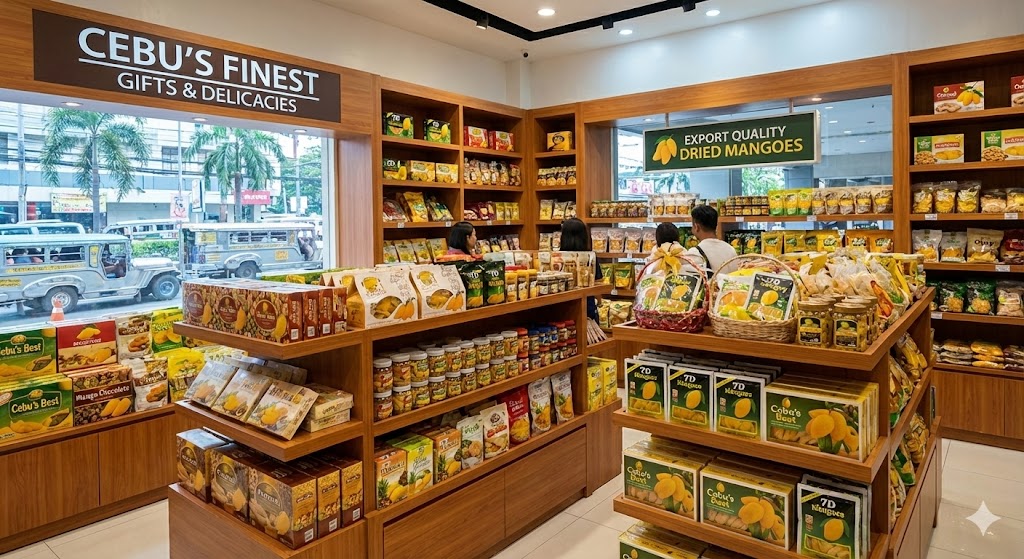
When the objective is gifting rather than personal consumption, packaging becomes as critical as the product itself. Specialty stores are the ideal choice for those prioritizing presentation and premium packaging.
- Kultura Filipino: Found within SM Malls, Kultura showcases high-end artisanal brands like “Cebu Best“. Their inventory includes unique cuts such as “Spaghetti Strips” and chocolate-dipped varieties, positioned as luxury items rather than simple snacks.
- Islands Souvenirs: This chain focuses heavily on destination branding. They offer gift-ready sets that are often bundled with other local snacks like otap, providing a “complete Cebu experience” in a single purchase.
5. Where NOT to Buy: The Airport Surcharge
Knowing where to buy dried mangoes in Cebu also means knowing where not to buy them — and the airport is the most common mistake travelers make. While it feels convenient to grab a few packs on your way out, the Mactan-Cebu International Airport is consistently the most expensive place to buy dried mangoes.
Here’s why airport buying usually isn’t worth it:
- Heavy price markups: Shops inside Terminal 1 and Terminal 2 typically charge 30% to 50% more than stores in the city.
- Same product, higher price: A pack that sells for around ₱150 in supermarkets or factory outlets often costs ₱250 to ₱400 at the airport.
- Convenience tax: You’re paying for urgency, not quality. The mangoes are usually the same brands you’ll find elsewhere in Cebu.
- Limited choice: Airport shops carry fewer options, which means less flexibility if you’re picky about sweetness, texture, or packaging size.
The smart traveler move:
If you really want to understand where to buy dried mangoes in Cebu without overpaying, do your shopping before heading to the airport. Factory outlets, specialty gift shops, and city supermarkets offer better prices, fresher stock, and more variety. Use the airport strictly for boarding your flight — not for last-minute souvenir shopping.
6. Product Taxonomy: Flavors and Innovations
Cebu’s dried mango scene has grown far beyond the classic yellow slices most people know. Over the years, producers have expanded their offerings to suit different tastes from around the world. If you’re researching where to buy dried mangoes in Cebu, understanding these different varieties will help you choose smarter and avoid ending up with multiple packs that all taste the same. If you really want to enjoy what Cebu has to offer, understanding these varieties helps you mix and match flavors instead of buying the same thing twice.
- Mango Balls and Chews:
These are made from mango puree, sometimes mixed with ingredients like tamarind (locally called mangorind). The result is a chewier texture and a more layered flavor profile that’s quite different from sliced mangoes.Understanding these varieties is key to curating a diverse selection. - Yellow Mangoes:
This is the classic everyone expects. Harvested at peak ripeness, these slices are naturally sweet, soft, and packed with that familiar tropical flavor Cebu is famous for. If it’s your first time buying dried mangoes here, this is the safest and most popular choice. - Green Mangoes:
These are picked before ripening, which gives them a tangy, pleasantly sour bite. Instead of tasting like dessert, they feel more refreshing and are often enjoyed as a palate cleanser or light snack rather than something sweet. - Spicy Dried Mango:
A newer twist that’s gaining popularity, especially among adventurous snackers. This version blends the sweetness of ripe mangoes with local chili powder, creating a sweet-and-spicy combo that builds slowly and finishes with a gentle kick. - Chocolate-Coated Mangoes:
This is where dried mango crosses into dessert territory. Slices are coated in milk or dark chocolate, turning them into a more indulgent treat. Just keep in mind these are sensitive to heat and should be stored in a cool place to avoid melting.
7. Traveler’s Logistics and Customs Compliance
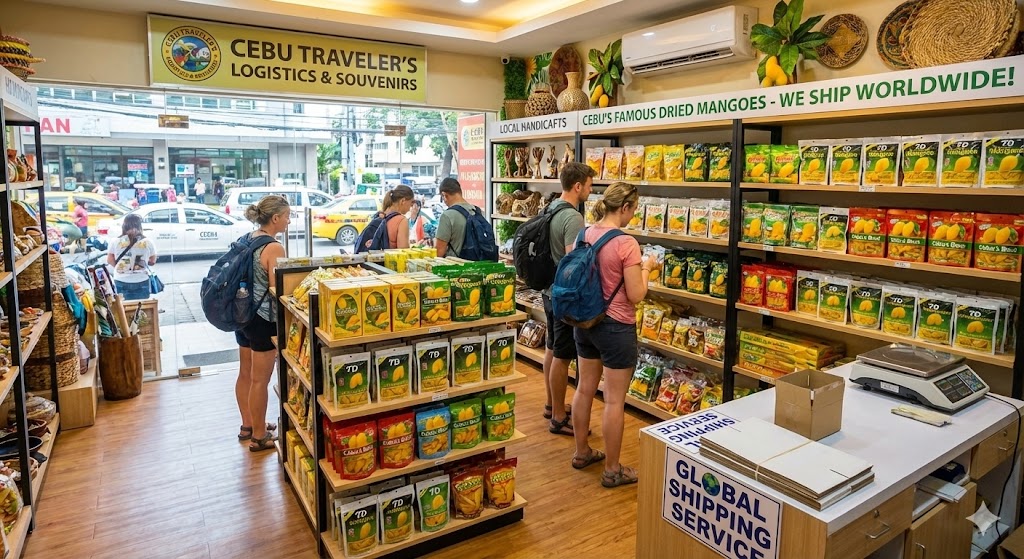
Dried mangoes are one of the most practical souvenirs you can bring home from Cebu, but understanding how they’re processed, packed, and regulated will save you from unpleasant surprises during your trip. If you’ve taken the time to research where to buy dried mangoes in Cebu, it’s equally important to know how to store and transport them properly once you’ve made your purchase.
Shelf Life and Storage Considerations
Commercially produced dried mangoes are designed for long-term storage. When kept in their original, factory-sealed packaging, most brands maintain peak quality for 6 to 12 months without refrigeration, as long as they’re stored in a cool, dry place away from direct sunlight. Premium or specialty brands that use advanced dehydration and sealing methods may offer shelf lives of up to 24 months, though flavor and texture are always best closer to the production date.
International Customs and Import Rules
Unlike fresh fruit, which poses a biosecurity risk, dried mangoes are considered a processed food product. This means they are generally allowed through customs in major destinations such as the United States, Japan, and South Korea, provided the packaging remains original, unopened, and clearly labeled. Loose or repackaged dried mangoes, even if purchased from reputable markets, may raise red flags during inspection which is another reason why knowing where to buy dried mangoes in Cebu matters.
Special Considerations for Australia and New Zealand
Travelers heading to Australia or New Zealand should be especially cautious. These countries enforce some of the strictest biosecurity laws in the world, and even commercially processed fruit products may be restricted. Before flying, always check the most current import guidelines to avoid confiscation or fines at arrival.
Smart Packing Strategy
To minimize issues at security checkpoints, dried mangoes are best placed in checked luggage. This reduces scrutiny during carry-on inspections and prevents bulky packaging from taking up cabin space. If possible, keep the mangoes grouped together so they’re easy to declare if asked.
In short, knowing where to buy dried mangoes in Cebu gives you access to great quality, but knowing how to store, pack, and transport them ensures they actually make it home with you.
Brand Positioning Summary
| Brand | Best Source | Unique Selling Point |
| 7D | 7D Factory Outlet | Gold standard; moist, “soft-dry” texture |
| Cebu Brand | Profood Gallery | Export quality; innovative flavors like Spicy |
| Philippine Brand | Major Supermarkets | Broad export reach; consistent flavor profile |
| Cebu Best | Kultura Filipino | High-end gift packaging; artisanal positioning |
| Guadalupe | Dr. Pablo Abella St | Artisanal, small-batch, locally favored |
| Cebu’s Lucky | Taboan Market | Budget-friendly; popular in traditional markets |
Conclusion
Cebu’s dried mango industry is a lot like a handcrafted Mactan guitar. It takes the right balance of nature’s harvest and careful human craftsmanship to create something people around the world truly love. Whether you’re exploring a factory tour at 7D, picking up neatly packed treats from Profood, or diving into the lively chaos of Taboan Market, knowing where to buy dried mangoes in Cebu helps you make a smarter choice. When you understand where to buy dried mangoes in Cebu, you’re not just bringing home a souvenir, you’re taking home one of the sweetest, most authentic flavors of the Philippines. This guide helps you shop with confidence, get the best quality for your budget, and enjoy the experience like a local.